Grid-Tied vs. Off-Grid Backup: Balancing Your Energy Retail Inventory
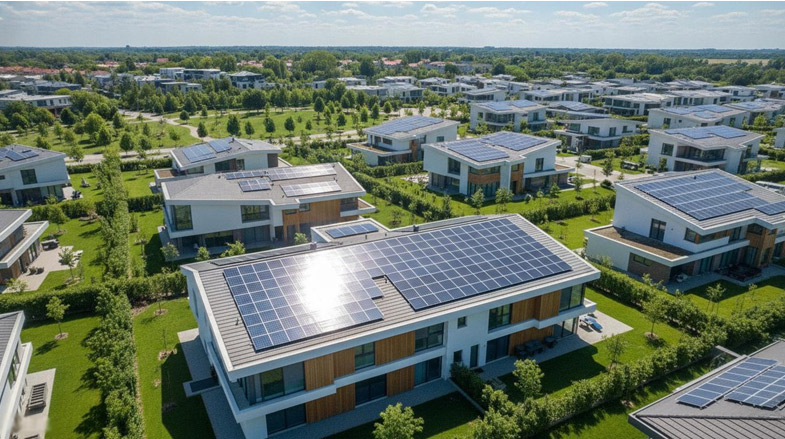
As the global energy transition accelerates, retail chains, sporting goods stores, and regional energy distributors are facing a complex new challenge: how to properly segment and balance their energy storage inventory. The technical requirements of a suburban homeowner preparing for winter power outages are vastly different from those of an off-grid overlanding camper. Understanding the stark distinctions between grid-tied and off-grid ecosystems is absolutely crucial for maximizing inventory turnover and minimizing dead stock.
Off-grid solutions, such as a robust rv lithium battery generator wholesale package, must prioritize extreme portability, ruggedized vibration-resistant enclosures, and highly efficient MPPT solar charging capabilities. These units are specifically designed to function entirely independent of the utility grid, relying on solar inputs and vehicle alternators to sustain power during extended outdoor expeditions. They appeal strongly to the adventure lifestyle demographic and mobile professionals.
Conversely, grid-tied residential backup solutions demand massive stackable capacities, seamless milliseconds-level UPS switchovers, and the advanced technical ability to communicate with municipal power lines. These ESS cabinets are stationary, high-voltage systems designed to feed excess solar-generated power back into the local grid, allowing homeowners to offset their daily electricity costs while maintaining a secure emergency reserve.
By carefully analyzing the demographics of your local market—whether it is a high-density urban area prone to rolling blackouts or a region heavily populated by outdoor and marine enthusiasts—you can strategically balance your SKUs. VENERBASE offers highly scalable, proven platforms for both extremes, allowing our distribution partners to confidently capture the full, lucrative spectrum of both the B2B commercial and B2C consumer energy markets.