Why Your Battery Management System (BMS) is the Make-or-Break Component
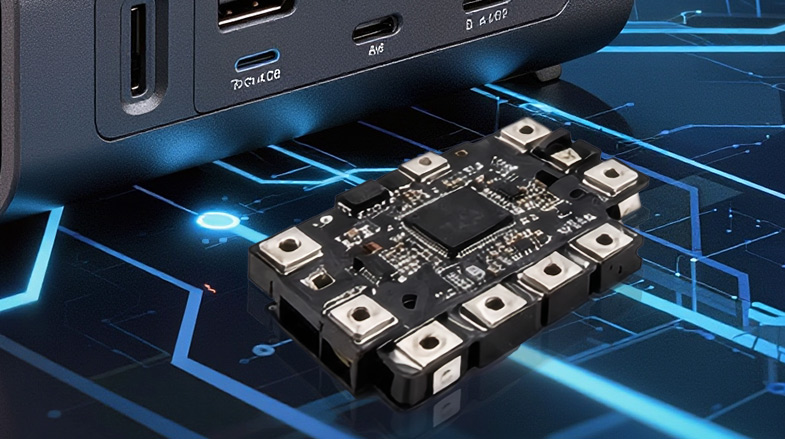
When enterprise buyers begin evaluating energy storage options, the natural inclination is to focus entirely on the top-line marketing specifications: raw battery capacity (Watt-hours) and the maximum inverter output (Watts). However, the true "brain" of any reliable portable power station or residential ESS cabinet is the Battery Management System (BMS). A poorly coded or cheaply manufactured BMS can quickly turn premium lithium cells into a safety hazard.
For professional solar contractors and EPC installers, an intelligent and highly responsive BMS is the ultimate safeguard against system failures. It actively monitors micro-fluctuations in individual cell temperatures, prevents catastrophic over-discharge, and expertly manages the flow of current. Without a robust BMS, even the highest-grade lithium iron phosphate cells will suffer from severe capacity imbalances, drastically shortening the lifespan of the entire system.
Furthermore, in residential setups, the BMS must manage intricate communication protocols (such as CAN and RS485) required to synchronize seamlessly with third-party hybrid inverters. Inverter-to-battery communication mismatch is the primary cause of installation failure for solar contractors, leading to frustrated end-users and highly expensive follow-up maintenance visits.
When sourcing an all in one home energy storage system factory solution, prioritizing advanced BMS architecture guarantees that the hardware will perform predictably over its intended 10-year lifecycle. At VENERBASE, our proprietary BMS firmware is rigorously stress-tested in advanced simulation environments to ensure localized fast-charging compatibility and seamless protocol integration with global inverter brands. This deep software engineering completely eliminates the guesswork for your technical teams.